
NH-927 Project Explained: How New Highway Will Strengthen India–Nepal Trade
April 11, 2026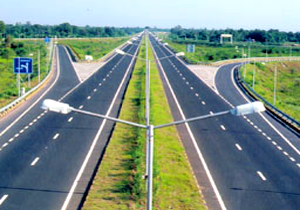
New Delhi: In a significant push to cross-border connectivity, the Centre has approved the construction of a four-lane, access-controlled stretch of National Highway-927 between Barabanki and Bahraich, a project expected to enhance trade ties between India and Nepal.
India remains Nepal’s largest trading partner, contributing over 60% of its total trade volume. Against this backdrop, the upcoming highway is poised to play a strategic role in improving connectivity to the Rupaidiha land port and the adjoining Nepalgunj region, both of which serve as key gateways for bilateral trade.
The Rupaidiha–Nepalgunj corridor currently handles a substantial share of India’s exports to Nepal. With improved road infrastructure under NH-927, movement along this route is expected to become faster and more efficient, leading to a notable rise in trade volumes in the coming years.
Faster Movement of Agricultural Goods
Agricultural and food products form a major portion of trade through this corridor. Essential commodities such as rice, wheat, vegetables, dairy items, and livestock feed are routinely transported from India into Nepal.
The new highway is expected to cut travel time between Barabanki and Bahraich by nearly half—from around 150 minutes to approximately 75 minutes—while doubling average vehicle speeds from 40 kmph to 80 kmph. This reduction in transit time will help minimise spoilage of perishable goods, directly benefiting farmers, traders, and distributors. Additionally, farmers in eastern Uttar Pradesh are likely to gain improved access to Nepalese markets, enhancing their income prospects and reducing post-harvest losses.
Ensuring Steady Supply Chains
Apart from agricultural produce, the route also supports the transportation of essential commodities, including medicines and consumer goods, which are crucial for Nepal’s daily needs. Past disruptions along this corridor have led to major bottlenecks, with trucks carrying vital supplies stranded at the border, resulting in significant financial losses.
The development of a modern, access-controlled highway is expected to ease such challenges by ensuring smoother, uninterrupted movement of goods, lowering logistics costs, and improving supply chain reliability.
Logistics and Trade Infrastructure to Get a Boost
The upgraded highway is also expected to complement logistics infrastructure at Rupaidiha, where truck traffic is projected to rise significantly. This growth is likely to drive demand for warehousing, transportation services, and allied logistics businesses along the route, creating new economic opportunities.
Positive Impact on Border Communities
The benefits of the project are expected to extend beyond trade, significantly impacting livelihoods in border districts such as Bahraich and nearby regions. Markets in towns around Rupaidiha depend heavily on cross-border customers, with many businesses relying on buyers from Nepal.
Improved connectivity is likely to generate wider economic gains, including increased business activity, job creation in transport and logistics, and growth in hospitality and small retail sectors. It will also improve access to essential services such as healthcare, education, and regional markets.
For farmers, traders, and transport workers, the enhanced highway network is expected to translate into reduced costs, faster turnaround times, and more stable income opportunities, making it a key driver of regional economic development.
Recent Stories
- NHAI to Construct 14 Foot Overbridges with Lifts on NH-19 in Uttar Pradesh
- Six Firms Bid for Ujjain Airport Project; ₹590 Crore Land Acquisition Cleared by MP Cabinet
- Wind Energy Surge: India Adds 6.1 GW, Expands Renewable Ambitions
- 12-km Greenfield Bypass to Ease Dehradun Traffic, Boost Connectivity
- Four Firms Bid for PMC Role in Great Nicobar Greenfield Airport Project