
Annual toll pass not under consideration for commercial taxis, says Centre
February 05, 2026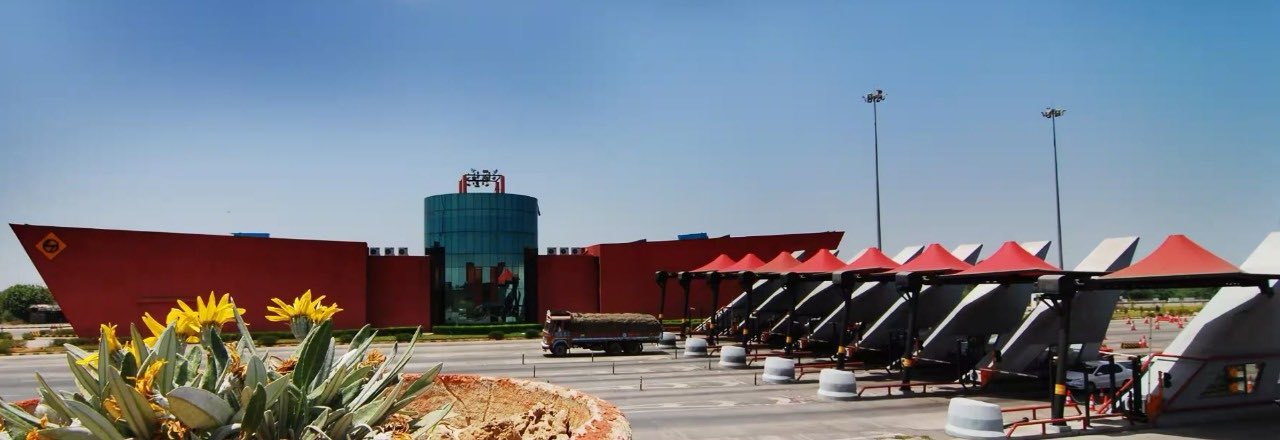
New Delhi: The Union government has clarified that there is no proposal at present to extend the annual toll pass facility, currently available only to private non-commercial vehicles, to commercial taxis, cab aggregators or fleet operators.
In a written reply to a question in the Lok Sabha on Wednesday, Union Road Transport and Highways Minister Nitin Jairam Gadkari said, “The issue of extending the benefit of annual pass for non-commercial vehicles to commercial taxis, cab aggregators is not under consideration.”
He added that under the National Highways Fee (Determination of Rates and Collection) Rules, 2008, “there is a provision for other discounts in user fee for commercial vehicles registered in the district and monthly passes for regular users of National Highways.”
On the issue of state-level entry taxes faced by commercial taxis and fleet vehicles operating across state borders, the minister stated that taxation falls within the jurisdiction of states. “The Motor Vehicles (MV) Act, 1988 provides the legal framework for registration, permits and movement of motor vehicles across the country. However, levy and collection of taxes on motor vehicles, including entry taxes, fall within the constitutional domain of States, and such taxes are governed by respective State Motor Vehicle taxation laws,” the reply said.
Addressing road safety concerns, the government reiterated that driver working hours are already regulated. “Under the provisions of Section 91 of the MV Act read with the Motor Transport Workers Act, 1961, working hours of the drivers operating transport vehicles have been limited to 08 hours a day and 48 hours in a week,” Gadkari said, adding that these norms mandate rest periods to prevent fatigue. He further informed the House that, following Supreme Court directions dated April 17, 2025, “a committee of State Labour and Transport Secretaries has been constituted to recommend actionable measures,” and has submitted a report suggesting steps such as monitoring driving hours, two-driver systems on long routes, fatigue-monitoring technology, command-control centre integration, and measures to improve driver welfare and awareness. DeshBharat
Recent Stories
- Govt Tweaks EPC, HAM Norms to Offset Rising Input Costs in Highway Sector
- Rail Traffic Changes in April as Southern Railway Undertakes Maintenance Work
- Centre OKs ₹1,105 Crore Bypass in Uttarakhand to Ease Char Dham Traffic
- India’s Largest Hydro Project Advances as NHPC Starts Unit-4 Commissioning
- Passenger Rush: Extra Coaches Added to Key Trains Passing Ratlam Division