
Trial Opening of Delhi-Dehradun Expressway Marks Major Milestone in Regional Connectivity
January 25, 2026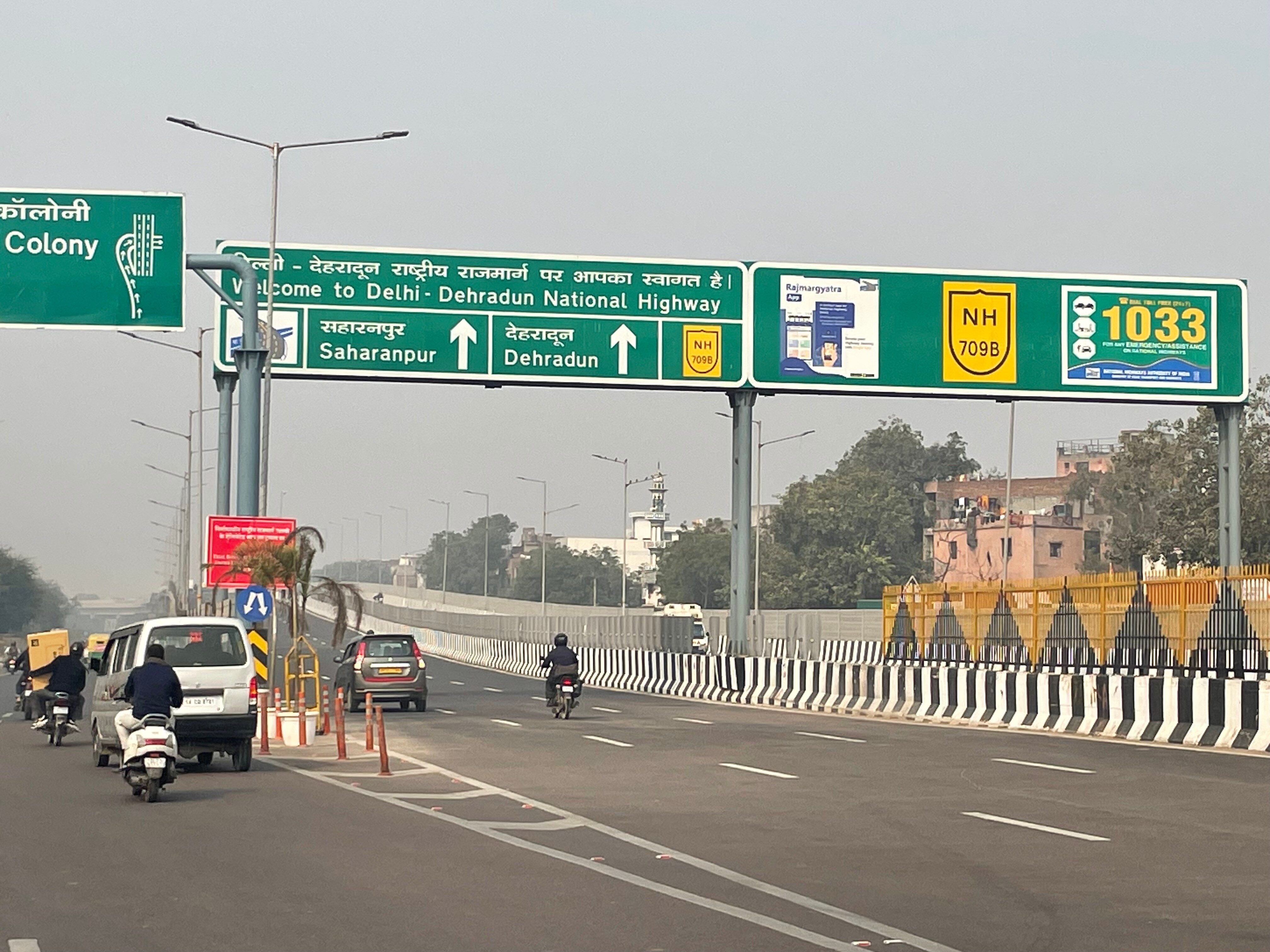
Rajesh Shekhar, New Delhi, January 25, 2026 — In a significant step toward revolutionizing travel between the national capital and the Uttarakhand hills, sections of the ambitious Delhi-Dehradun Expressway (also known as the Delhi–Saharanpur–Dehradun Economic Corridor) have commenced trial operations, with authorities allowing limited public access to test infrastructure readiness and traffic flow.
The National Highways Authority of India (NHAI) initiated trial runs on key initial stretches starting late last year, beginning with the approximately 32-km segment from Akshardham Temple in East Delhi to the junction with the Eastern Peripheral Expressway near Baghpat. Following positive feedback and ongoing finishing work, additional sections — particularly those passing through Ghaziabad and parts of Uttar Pradesh — have now been opened for controlled trial use as of mid-January 2026.
Commuters and transport operators participating in the trial have reported smooth riding quality on the access-controlled, six-lane greenfield highway. The trial phase, which includes no toll charges at present, allows vehicles to experience portions of the corridor under real-world conditions while final safety audits, signage installations, and minor interchanges are completed.
Union Minister for Road Transport and Highways Nitin Gadkari had earlier indicated that the full 210–213 km expressway project, built at an estimated cost exceeding ₹11,800 crore, is in its advanced stage. Recent updates suggest the entire corridor could open to regular traffic anytime after the first week of February 2026, following completion of remaining work at critical interchanges, including connections to National Highway 334B (Meerut-Baghpat section).
Once fully operational, the expressway is projected to dramatically slash travel time between Delhi and Dehradun from the current 6–7 hours on the congested old NH-334/307 route to just 2.5–3 hours. The high-speed corridor features state-of-the-art infrastructure, including wildlife underpasses spanning nearly 14 km in sensitive forest zones to facilitate safe passage for elephants, tigers, and other species in the Shivalik foothills.
Officials emphasized that the trial phase serves multiple purposes: assessing structural integrity, evaluating emergency response systems, and gathering data on vehicle speeds (with a proposed limit of 100–120 km/h on most sections). Feedback from trial users will help fine-tune traffic management before the grand inauguration and commercial tolling begin.
Local businesses in Dehradun, Haridwar, and Saharanpur have already expressed optimism about the economic boost the expressway will bring through faster goods movement, increased tourism, and improved connectivity to the Himalayan region. Environmental groups, meanwhile, have praised the inclusion of extensive green measures, including elevated sections and animal corridors.
As the trial continues over the coming weeks, authorities have urged participants to adhere to trial guidelines, maintain moderate speeds, and report any issues via the NHAI helpline. The full opening, eagerly awaited by millions of daily commuters, weekend travelers, and the logistics industry, is now firmly on the horizon — promising a faster, safer, and more scenic journey to the hills.
More details on toll rates, exact opening dates, and entry/exit points are expected to be announced shortly by the NHAI. DeshBharat
Recent Stories
- Govt Tweaks EPC, HAM Norms to Offset Rising Input Costs in Highway Sector
- Rail Traffic Changes in April as Southern Railway Undertakes Maintenance Work
- Centre OKs ₹1,105 Crore Bypass in Uttarakhand to Ease Char Dham Traffic
- India’s Largest Hydro Project Advances as NHPC Starts Unit-4 Commissioning
- Passenger Rush: Extra Coaches Added to Key Trains Passing Ratlam Division